UNUSUAL CARS MODEL GUIDE
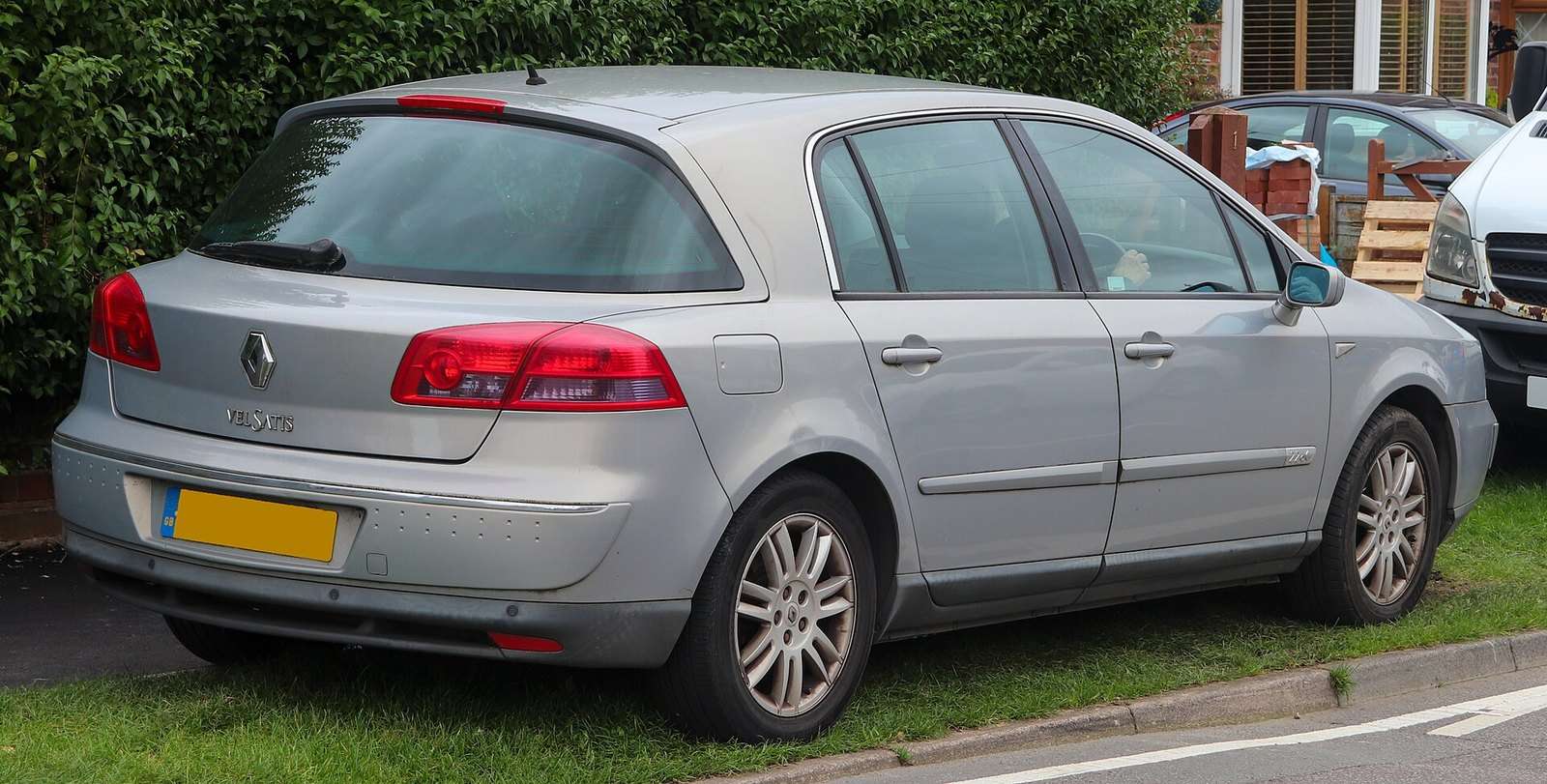
The Renault Vel Satis was a deliberately unconventional executive flagship. Sold in Britain from 2002, it combined a tall five-door body and unusually generous cabin with petrol and diesel engines ranging up to a Nissan-derived 3.5-litre V6 and an Isuzu-derived 3.0 dCi V6. UK sales ended before the continental facelift, making right-hand-drive survivors particularly uncommon.
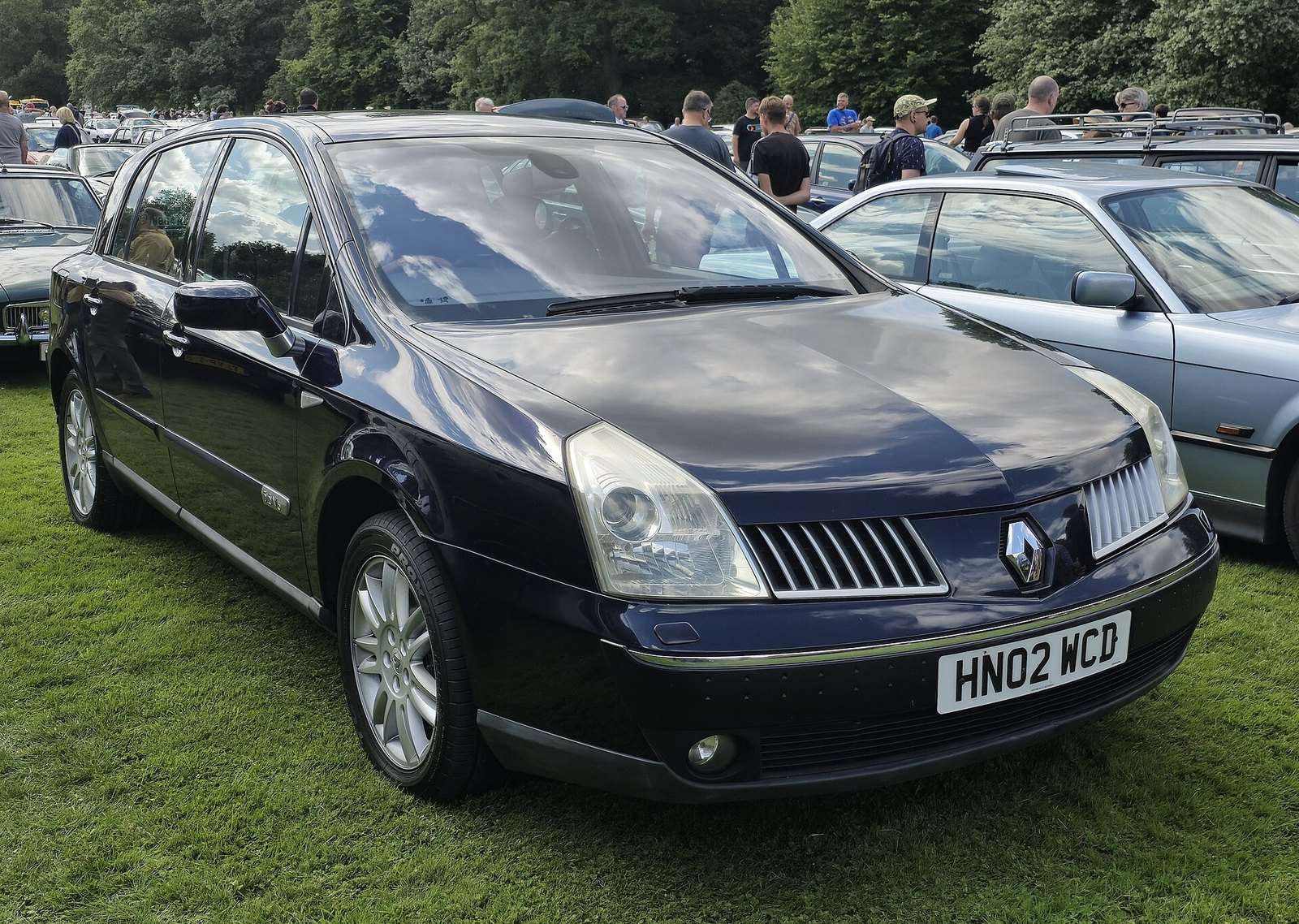
Featured image: 2002 Renault Vel Satis Privilège V6 front three-quarter view. Photograph by Calreyn88, CC BY-SA 4.0, via Wikimedia Commons; locally hosted.
A different kind of Renault flagship
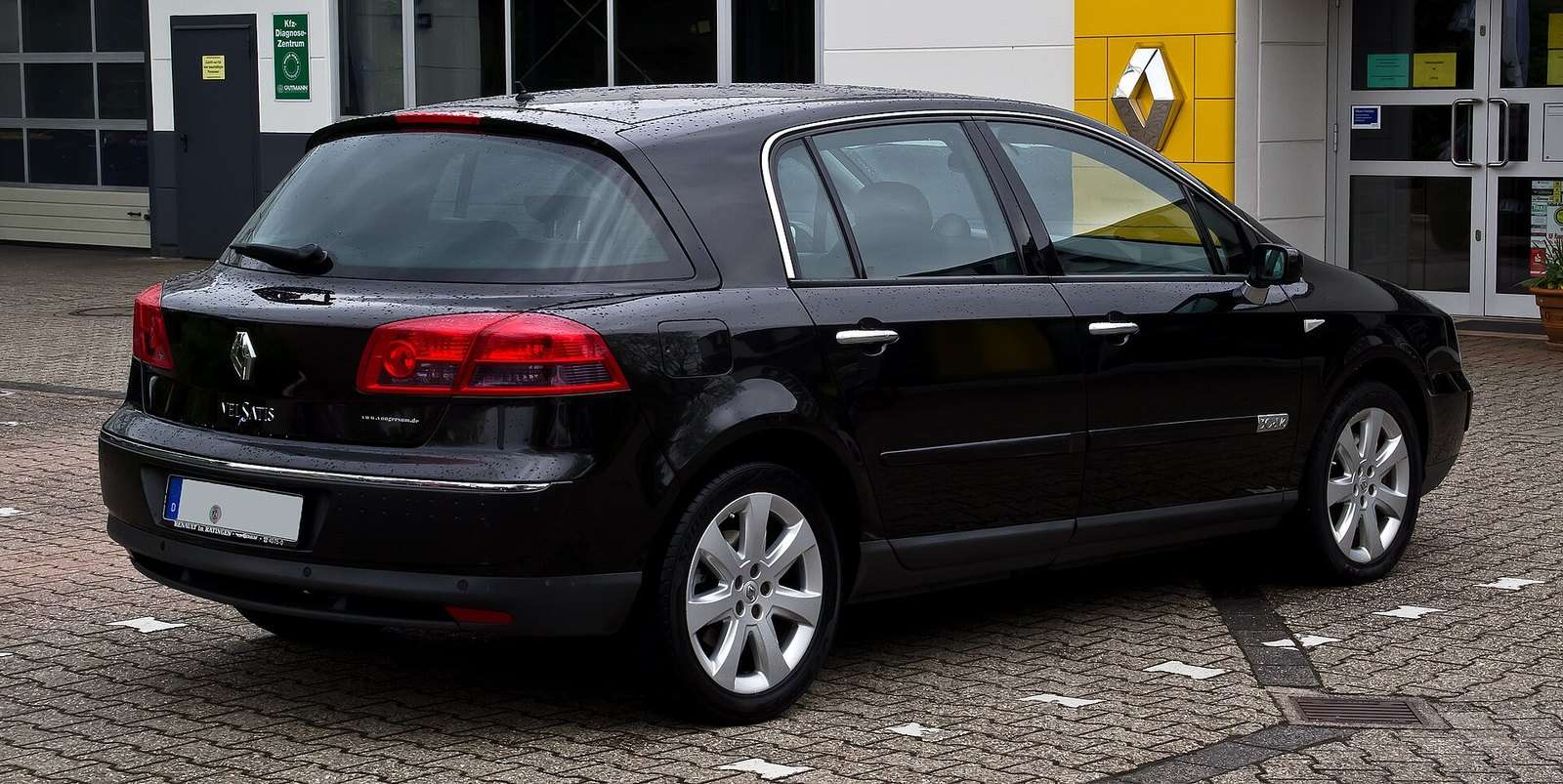
Renault previewed the idea with the 1998 Vel Satis concept before launching the production car in 2001 for 2002 sales. Rather than imitate a low German saloon, designer Patrick Le Quément’s team created a high-roofed hatchback with upright seating, a wide cabin and a distinctive near-vertical rear. The name combined ideas of velocity and satisfaction.
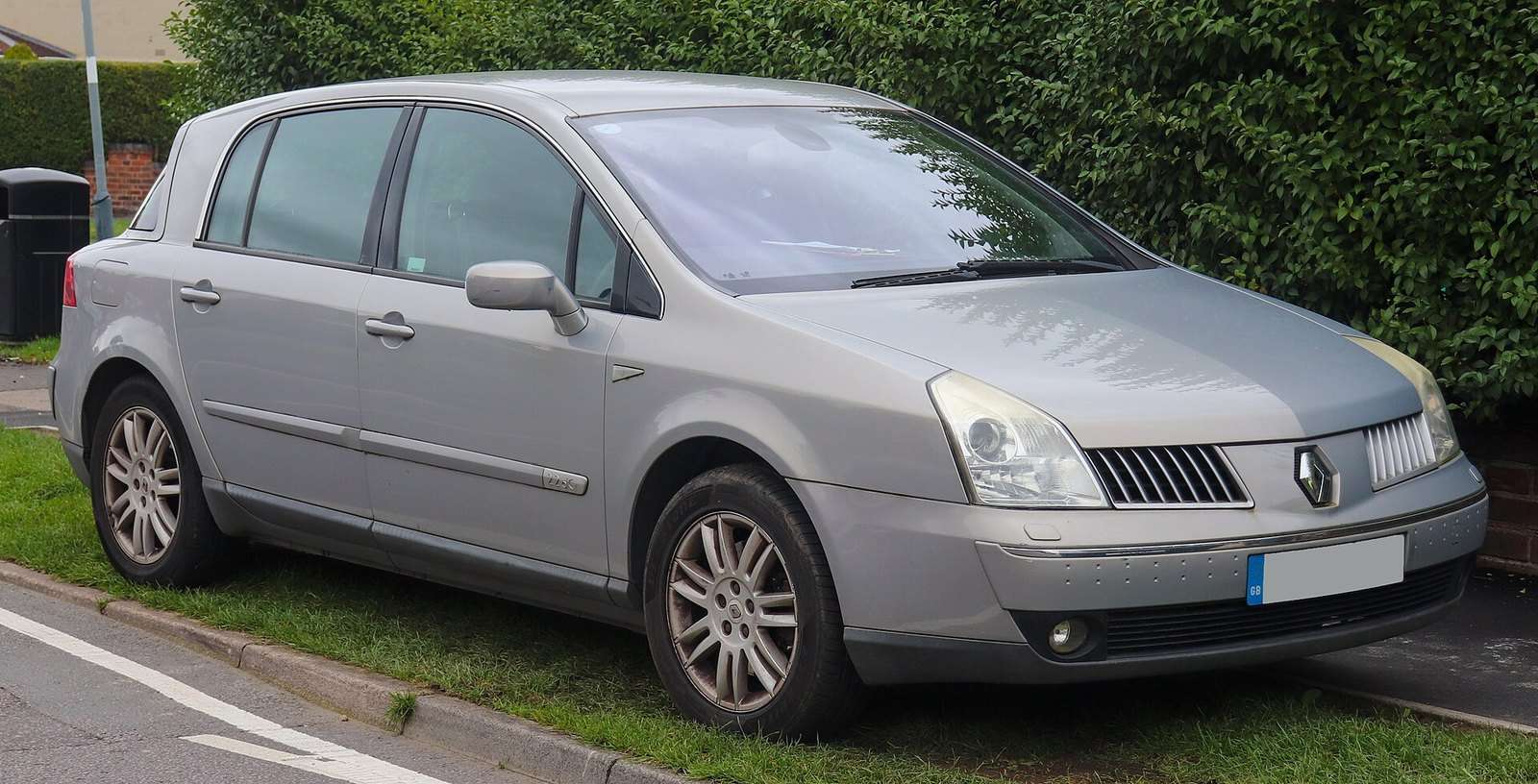
Britain received Expression and Privilège/Initiale-style specifications depending on engine and year. Standard equipment could include climate control, keyless entry, electric seats, navigation and a tyre-pressure monitoring system. The tall seats made entry easy and produced excellent visibility, while soft suspension and strong sound insulation defined the driving experience.
UK engines and the V6 flagships
The launch range included a 2.0-litre turbo petrol, 2.2 dCi diesel, 3.5 V6 petrol and 3.0 dCi V6 diesel. The 3.5-litre V4Y petrol engine came from the Renault-Nissan alliance and produced about 245bhp, paired with a five-speed automatic. The 2,958cc P9X diesel V6 produced about 180bhp and 350Nm, also with an automatic transmission.
Contemporary British tests praised space, quietness and comfort more than outright agility. The car’s mass and unusual proportions were deliberate compromises. Renault stopped offering new right-hand-drive Vel Satis models after the early phase; the facelift continued elsewhere in Europe to 2009.
| UK version | Approximate output | Character |
|---|---|---|
| 2.0 Turbo | 165bhp | Four-cylinder petrol; manual or automatic depending on year |
| 2.2 dCi | 150bhp | Most common UK diesel |
| 3.5 V6 | 245bhp | Nissan-derived petrol V6 and automatic |
| 3.0 dCi V6 | 180bhp | Isuzu-derived diesel V6 and automatic |
Love cars you don’t see every day?
Get forgotten cars, surprising motoring stories and the most interesting finds from Unusual Cars by email.
Free to join. No spam. Unsubscribe whenever you like. See our privacy policy.
The presidential connection and rarity
Vel Satis became one of Renault’s official state cars. In 2008 the company delivered an armoured V6 to French president Nicolas Sarkozy with its wheelbase lengthened by 25cm. The association suited a car conceived around rear-seat comfort and national flagship status.
In Britain the Vel Satis struggled against familiar premium badges. Contemporary reports anticipated several thousand sales, but registrations were far lower. That commercial failure now gives the car unusual appeal, although rarity is not the same as high value: parts supply, condition and specialist knowledge determine whether a survivor is viable.

Engines, cooling and automatic transmission
On the 3.5 V6, check cooling fans, radiator, hoses, oil leaks, ignition coils and evidence of regular automatic-fluid care even where period schedules were vague. The engine should start cleanly, idle smoothly and pull without misfire. Fuel consumption is substantial, but predictable maintenance is preferable to deferred repairs.
The 3.0 dCi needs greater caution. Overheating, cylinder-liner or head-gasket trouble, injector faults and turbo or EGR problems can be uneconomic. Run the car from cold to full temperature, monitor the gauge, inspect coolant condition and pressure, and scan all modules. Any automatic must engage drive and reverse promptly and shift smoothly hot and cold.
Suspension, electronics and cabin
Heavy cars wear front suspension joints, springs, dampers, wheel bearings, brakes and tyres. Listen for knocks, check self-centring and inspect uneven wear. Test the electronic parking brake and tyre-pressure system, and make sure warning lights illuminate at startup before extinguishing.
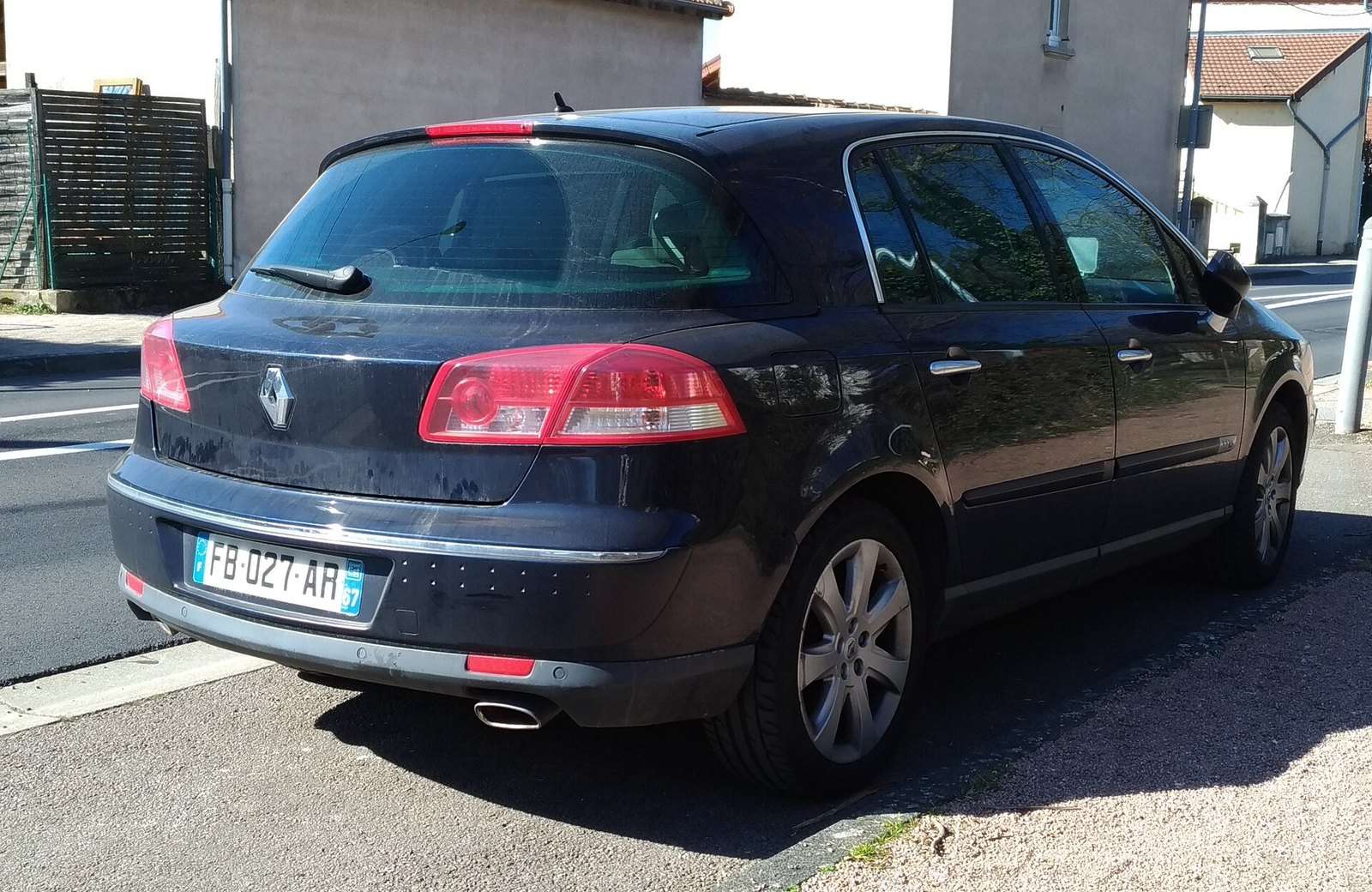
Operate key cards, locks, windows, seats, mirrors, climate control, navigation, audio and every dashboard display. Water ingress or low voltage can create multiple faults. Interior plastics, wood-effect trim, leather, lamps and body panels are difficult to replace. Check the large tailgate, rear wiper, parking sensors and underbody for impact or corrosion.
Buying checklist
Scan every control module
A generic engine reader is insufficient; the car’s comfort, transmission, parking-brake and tyre systems need Renault-aware diagnostics.
Reject unexplained overheating
Especially on the 3.0 dCi, a rising temperature or pressurised cooling system can indicate major internal damage.
Preserve completeness
A missing lamp, display, trim panel or working key card may take longer to solve than routine mechanical service.
References
- Renault Group: Vel Satis and the French presidency
- AA: period Vel Satis first drive and UK specifications
- Renault: Vel Satis owner's handbook and engine data
- Honest John Classics: Vel Satis history and owner reports
- RAC Drive: Vel Satis used review
Continue the Renault story
Explore the complete Renault hub, then read Renault Avantime V6 and Renault 25 V6 Turbo.
Frequently asked questions
Was the Renault Vel Satis sold in the UK?
Yes. Right-hand-drive cars were sold from 2002, but Renault ended UK supply before the facelift continued in continental Europe.
What V6 engines were available?
UK buyers could choose a 3.5-litre petrol V6 with about 245bhp or a 3.0-litre dCi diesel V6 with about 180bhp.
Is the Vel Satis a saloon or hatchback?
It is a tall five-door hatchback designed as an executive flagship.
Which Vel Satis engine is the safer classic choice?
A well-maintained 3.5 V6 petrol is generally preferable to a neglected 3.0 dCi, although condition and documentation matter more than the badge.
Why is the Vel Satis rare in Britain?
Its unconventional design and weak sales led Renault to stop right-hand-drive supply before the continental facelift.