UNUSUAL CARS MODEL GUIDE
The fourth-generation Ibiza Cupra mixed concept-car styling with an unusually sophisticated supermini drivetrain. The 180 PS 1.4 TSI combined a supercharger and turbocharger with a seven-speed DSG gearbox, while the optional Bocanegra treatment revived a historic SEAT name with a dramatic black nose. A later 192 PS 1.8 TSI manual transformed the formula again.
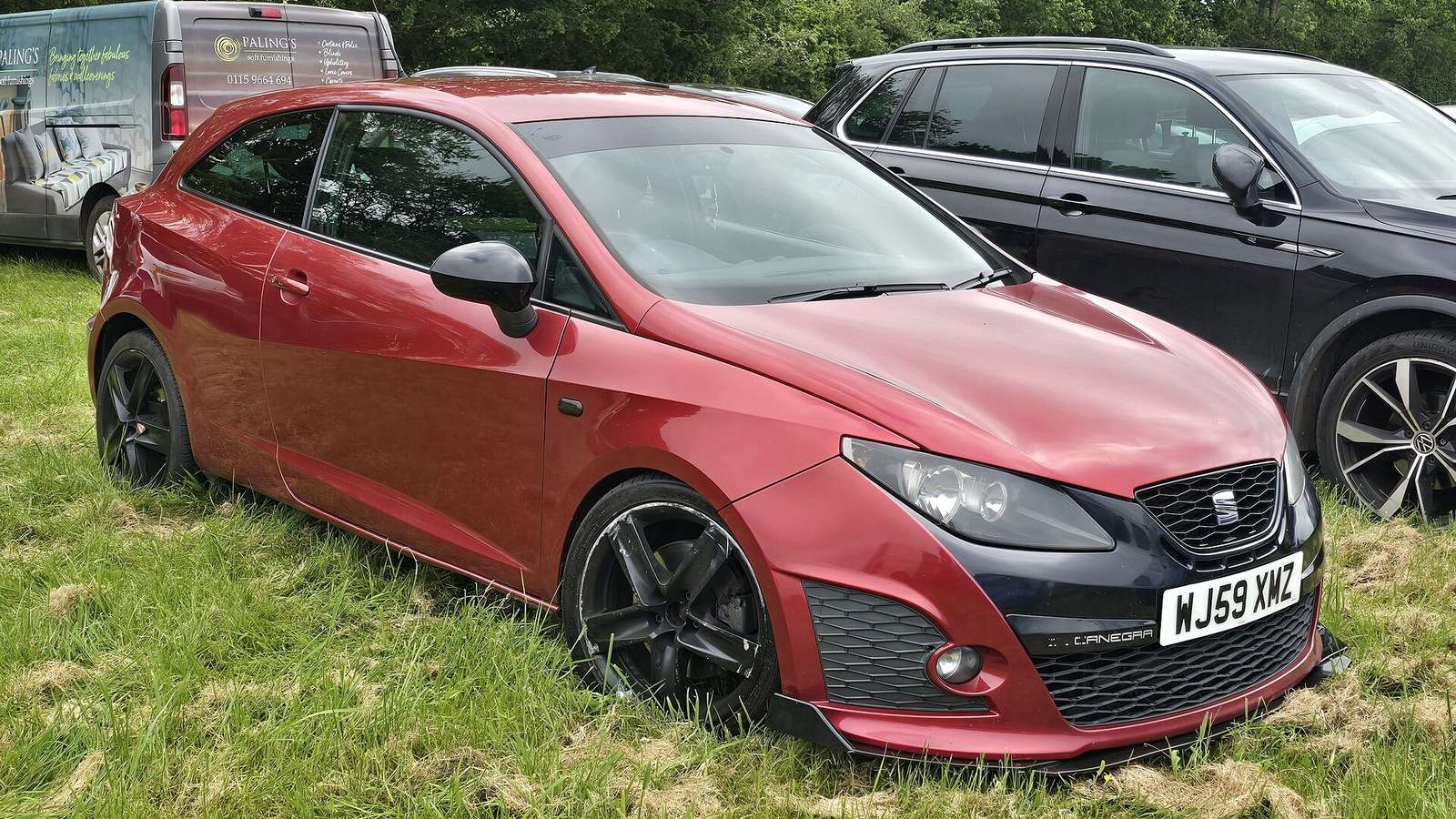
Featured image: 2009 SEAT Ibiza Cupra Bocanegra front three-quarter view. Photograph by Calreyn88, CC BY-SA 4.0, via Wikimedia Commons; locally hosted.
From concept to Bocanegra
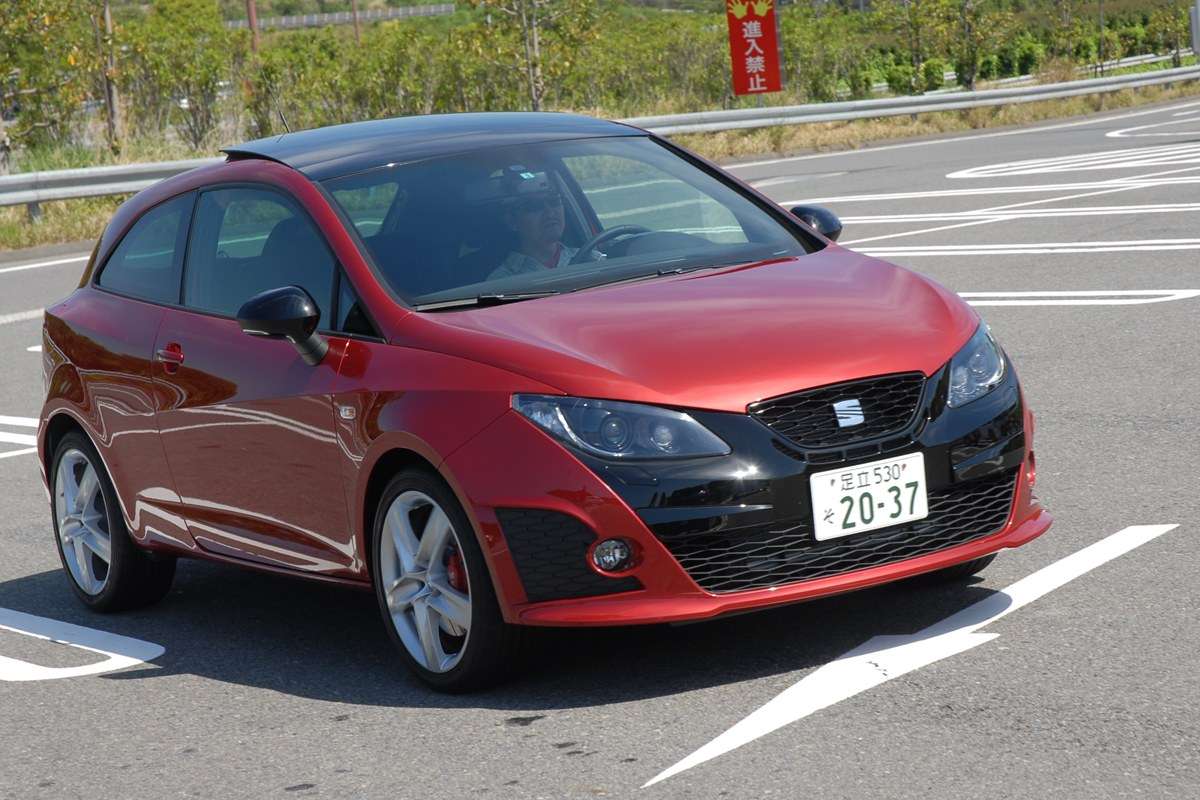
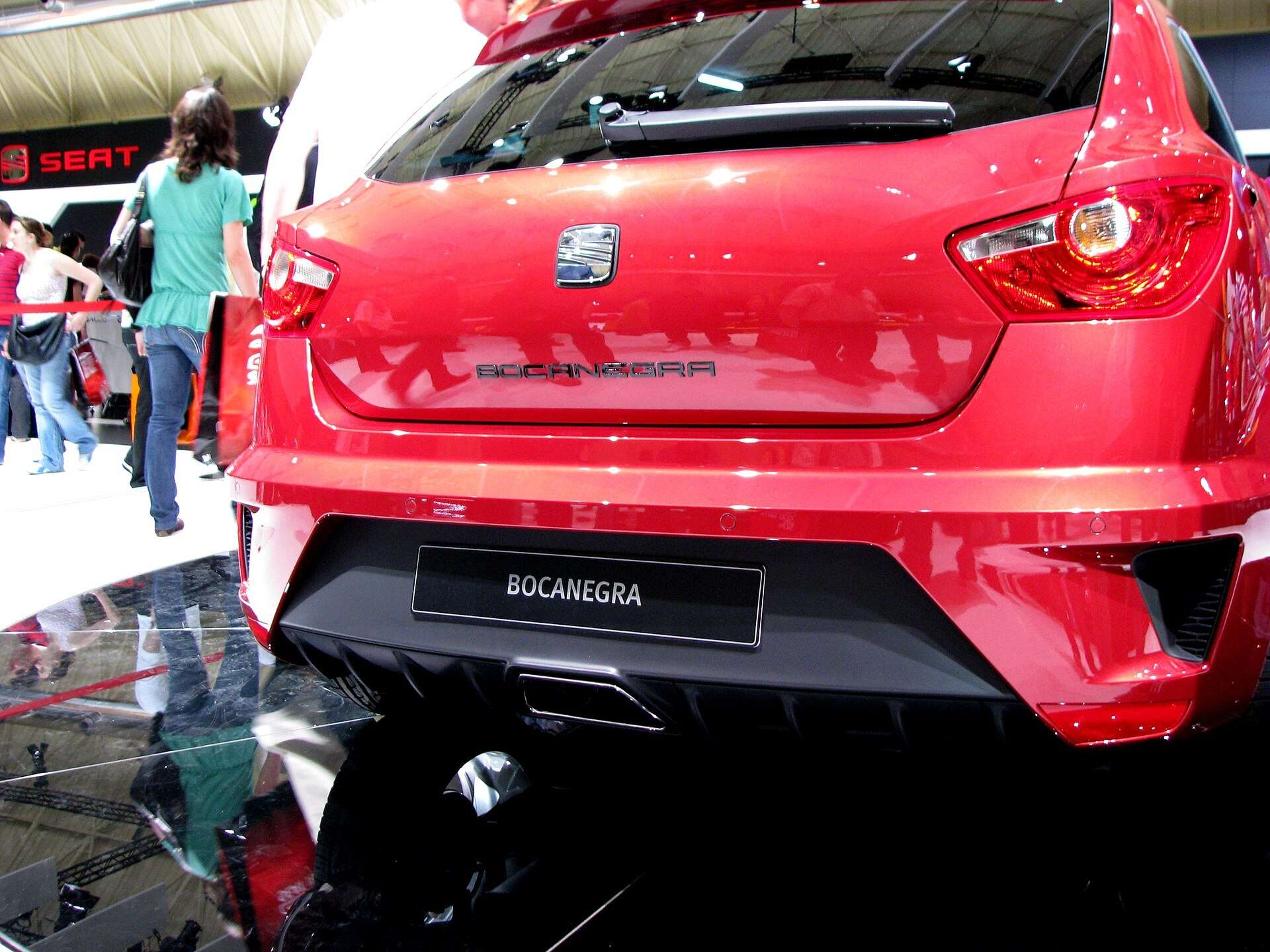
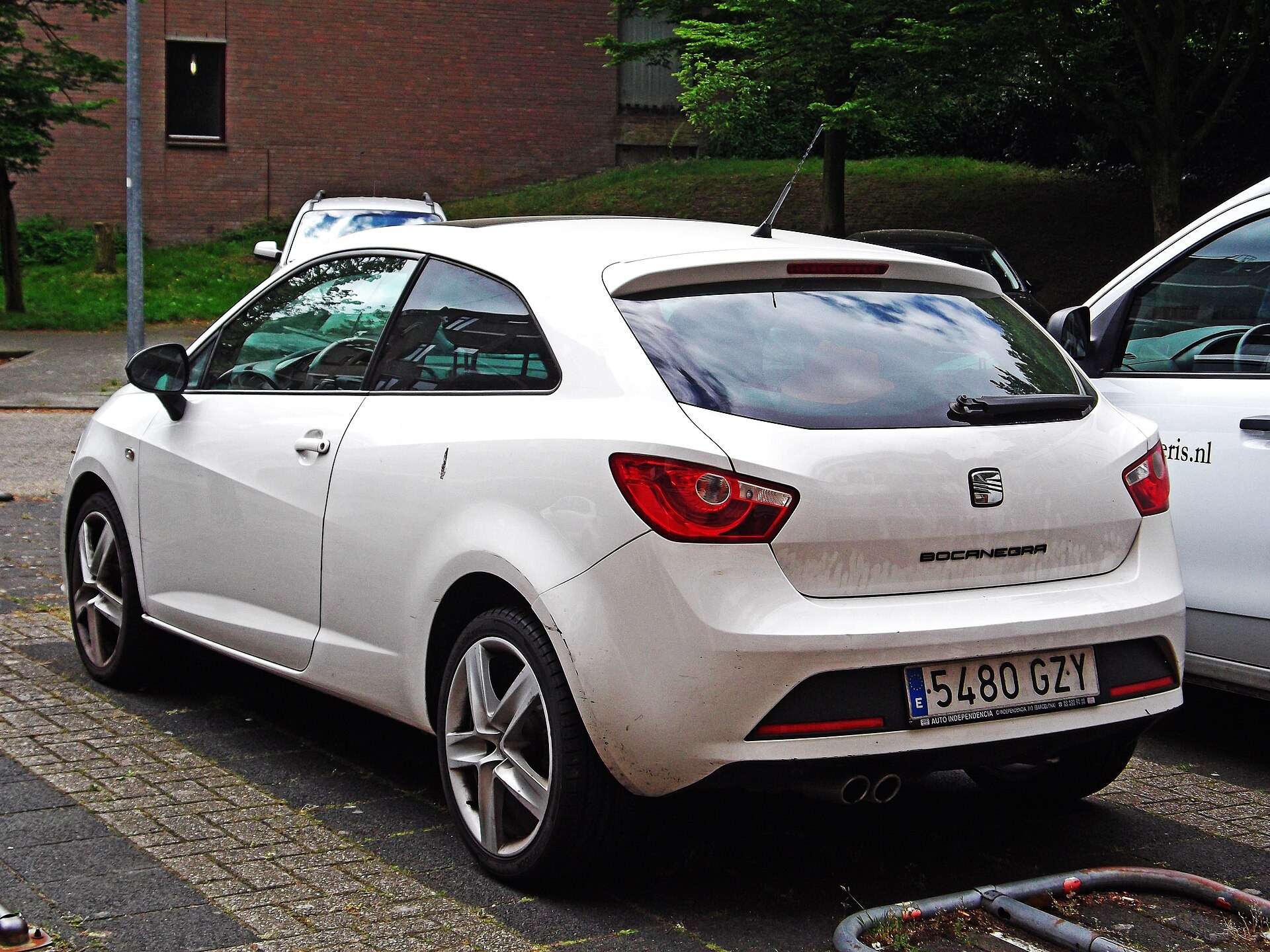
SEAT previewed the fourth Ibiza with the Bocanegra concept before launching the production SC three-door. The road-going Bocanegra was a styling package available on the FR and Cupra, identified by its black front panel, central grille and dark headlamp surrounds. It was not a separate engine specification, so buyers must confirm whether a car is an FR or the 180 PS Cupra.
The compact body, sharp creases and broad rear shoulders have aged well. Genuine Bocanegra trim matters because recreating the appearance with mixed aftermarket parts can hide accident repairs or a lower-specification base car.

Engines and specifications
| Version | Powertrain | Character |
|---|---|---|
| Cupra 1.4 TSI | 180 PS twincharged petrol, seven-speed DSG | Fast shifts and strong low-speed response. |
| Bocanegra | Styling package on FR or Cupra | Black nose treatment and model-specific details. |
| Cupra 1.8 TSI | 192 PS turbo petrol, six-speed manual | Later, more conventional and more powerful drivetrain. |
The 1.4 car was distinctive but complex. The later 1.8 removed the supercharger and DSG, added a manual gearbox and raised output to 192 PS. Registration date alone is not enough: check the VIN, engine code, gearbox and factory equipment.
Love cars you don’t see every day?
Get forgotten cars, surprising motoring stories and the most interesting finds from Unusual Cars by email.
Free to join. No spam. Unsubscribe whenever you like. See our privacy policy.
The 1.4 TSI and DSG
On a cold start, listen for chain rattle and make sure the idle settles without misfires. Test the car from low engine speed: the supercharger and turbocharger should hand over smoothly, without flat spots, surging or warning lights. Ask about oil use, correct oil changes, cooling-system repairs, plugs, coils and any piston or timing work.
The dry-clutch seven-speed DSG should select drive and reverse promptly and move away without shudder. Hesitation, judder or harsh low-speed changes need specialist diagnosis. Software updates and clutch or mechatronic work should be supported by invoices.
Later 1.8 TSI Cupra
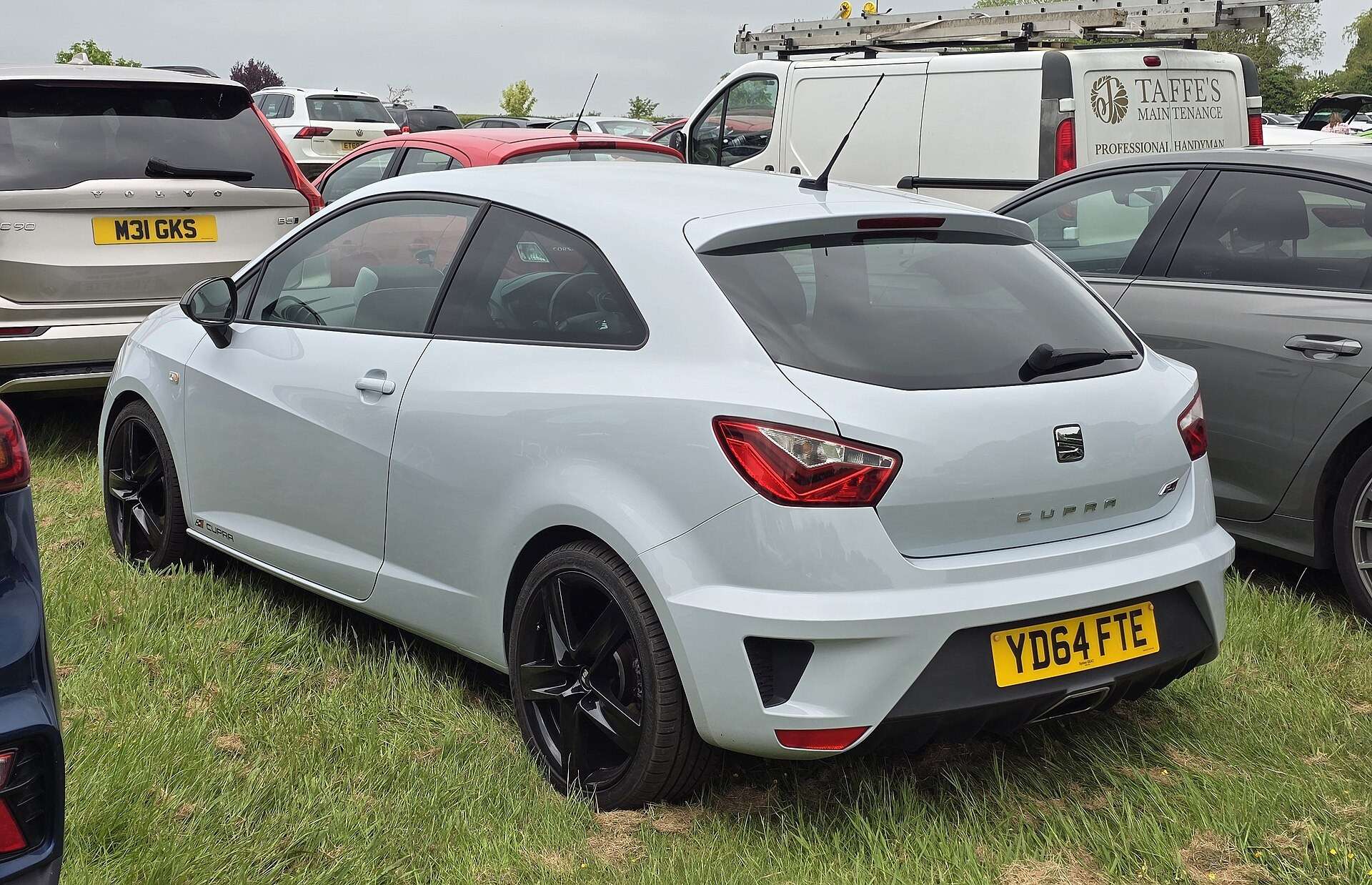
The 2015 Cupra replaced the twincharged engine with a 192 PS 1.8 TSI and changed to a six-speed manual. It is mechanically simpler in concept and gives the driver more control, but still requires evidence of correct oil, cooling and ignition maintenance. Check the clutch for slip in a high gear and listen for flywheel or gearbox noise.
Many examples have been remapped. A known calibration with supporting invoices is preferable to unexplained boost hardware, missing emissions equipment or an owner who cannot describe what was changed.
Body, chassis and cabin
Inspect the front bumper, black Bocanegra panel, sills, tailgate and wheelarches for poor repairs. Check wheel condition and tyre matching; cheap tyres undermine a short-wheelbase front-wheel-drive car. Suspension knocks can come from bushes, top mounts, springs or dampers, while pulling under braking demands investigation.
Inside, test climate control, windows, central locking, infotainment, steering-wheel controls and every warning lamp. Seat-bolster wear is common, but missing Cupra or Bocanegra trim can be harder to correct than ordinary cosmetic damage.
Buying checklist
Verify the specification
Establish whether it is an FR, Cupra or genuine Bocanegra-equipped car and confirm the engine and gearbox.
Drive from cold
Cold-start noise, misfires, smoke, coolant loss and DSG shudder are stronger evidence than a polished engine bay.
Prefer documented originality
Factory trim and traceable maintenance make a better basis than an inexpensive car with unknown software and missing parts.
Sources
Continue the SEAT story
Explore more overlooked Spanish performance and everyday cars in the complete SEAT hub.
Frequently asked questions
Is the Bocanegra a separate model?
Bocanegra is a styling package offered on FR and Cupra versions, not one unique engine specification.
How much power does the 1.4 TSI Cupra have?
The twincharged 1.4 TSI Cupra produces 180 PS.
What gearbox does the early Cupra use?
It uses a seven-speed dual-clutch DSG gearbox.
What changed on the later Cupra?
The 2015 revision adopted a 192 PS 1.8 TSI engine and six-speed manual gearbox.
What are the main buying checks?
Check timing noise, oil and cooling history, smooth supercharger and turbo operation, DSG behaviour, chassis wear and modification quality.