UNUSUAL CARS MODEL GUIDE
The Honda CR-X is a lightweight two-seat coupé derived from the Civic and sold across two principal generations from 1983 to 1991. It combined a compact footprint, low weight and efficient four-cylinder engines; the later VTEC model added one of Honda’s defining high-revving powertrains.
Quick answer: the angular 1983–87 car is the first generation, while the smoother 1987–91 model is the second generation. European buyers received 1.6i-16 and later 1.6i-VT versions; the Japanese VTEC flagship was called the SiR.
The first-generation Civic CR-X
Honda developed the original CR-X as a small, aerodynamic and economical sporting car. Its short wheelbase, two-seat cabin and split rear glass gave it a distinct identity even though much of the engineering was shared with the Civic.
Early European versions ranged from economical models to the 1.6i-16. Lightweight construction and simple controls created performance through response rather than excess power. Surviving standard cars are now scarce because rust, modification and motorsport use consumed many examples.

The second generation and double-wishbone suspension
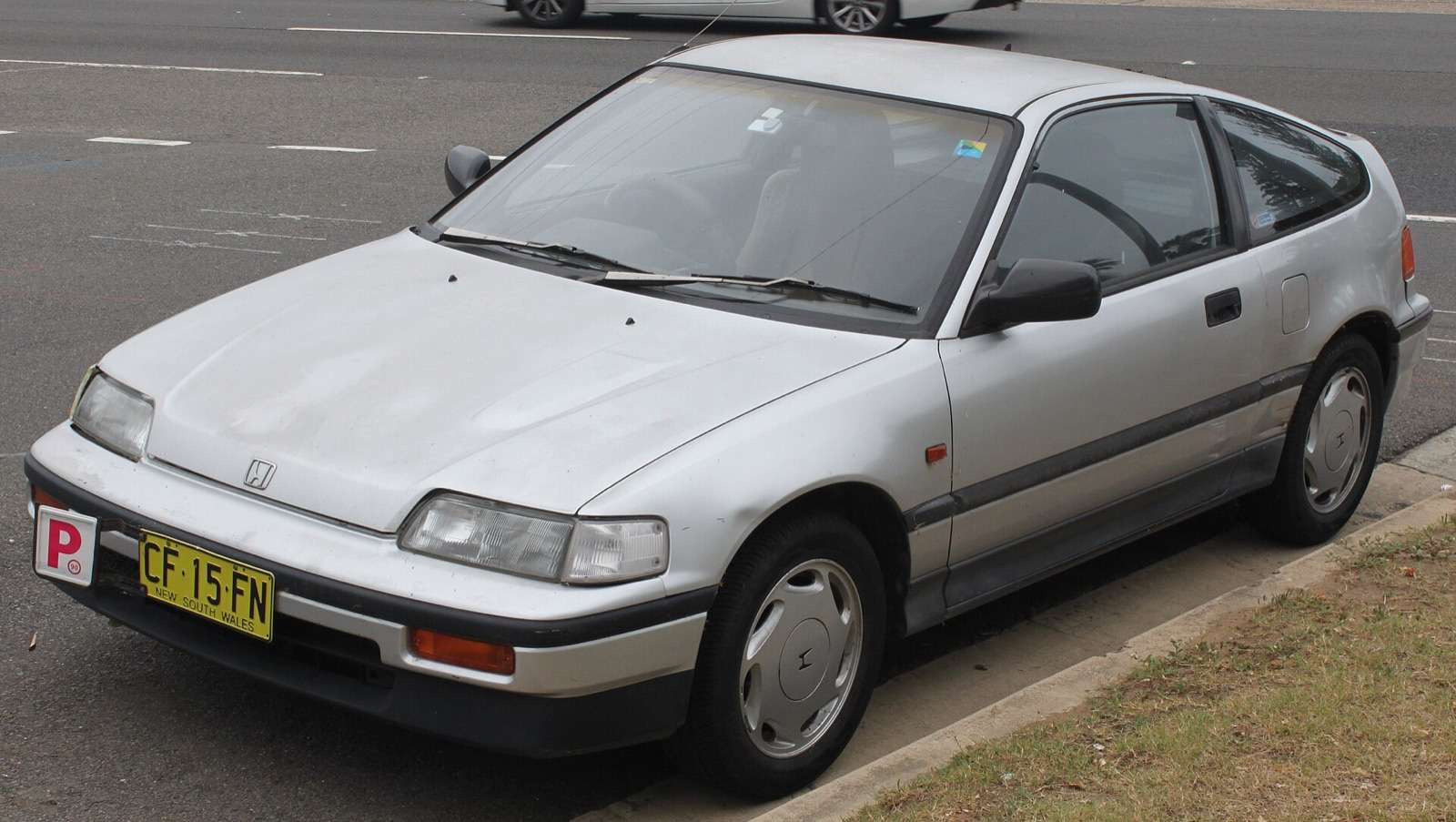
The 1987 replacement adopted a lower, smoother body and sophisticated double-wishbone suspension. European 1.6i-16 cars used a DOHC engine without VTEC, while the later 1.6i-VT brought the B16A family and its variable valve timing and lift system.
Honda’s engineering history records that the B16A became the first production engine to change both valve timing and lift on the intake and exhaust sides. The Japanese CR-X SiR used a 160PS version; European 1.6i-VT output was lower under its market specification.
| Version | Key distinction |
|---|---|
| First generation | 1983–87 angular body; light, economical Civic-derived coupé |
| Second-generation 1.6i-16 | DOHC non-VTEC performance model |
| CR-X SiR | Japanese-market B16A VTEC flagship, quoted at 160PS |
| European 1.6i-VT | VTEC performance version with market-specific output and equipment |

Why VTEC transformed the CR-X
The B16A used separate low- and high-speed cam profiles, switching through a hydraulically controlled mechanism. That allowed civilised low-speed operation and strong high-rpm breathing without turbocharging. In a light CR-X shell, the result was urgent rather than merely fast.
The non-VTEC cars should not be treated as lesser curiosities. Early 1.6i-16 models offer their own lighter, simpler character, while first-generation cars preserve the design that established the CR-X idea.

Love cars you don’t see every day?
Get forgotten cars, surprising motoring stories and the most interesting finds from Unusual Cars by email.
Free to join. No spam. Unsubscribe whenever you like. See our privacy policy.
Honda CR-X buying guide
Rust
Corrosion is the defining risk. Check rear arches, sills, floor, jacking points, front and rear suspension mounts, bulkhead seams, windscreen surround, sunroof aperture and boot floor. Body repairs can exceed the value of a poor car.
Model identity
Confirm the chassis code, engine code and import history. SiR, 1.6i-VT and non-VTEC cars differ, and badges or engine swaps do not establish identity. Compare paperwork with the shell and drivetrain.
Engine and transmission
Look for oil use, smoke, cooling problems, neglected cambelt service and poor-quality conversions. Gearboxes should shift cleanly without synchro crunch; driveshaft and wheel-bearing noise is common on worn cars.
Trim and modifications
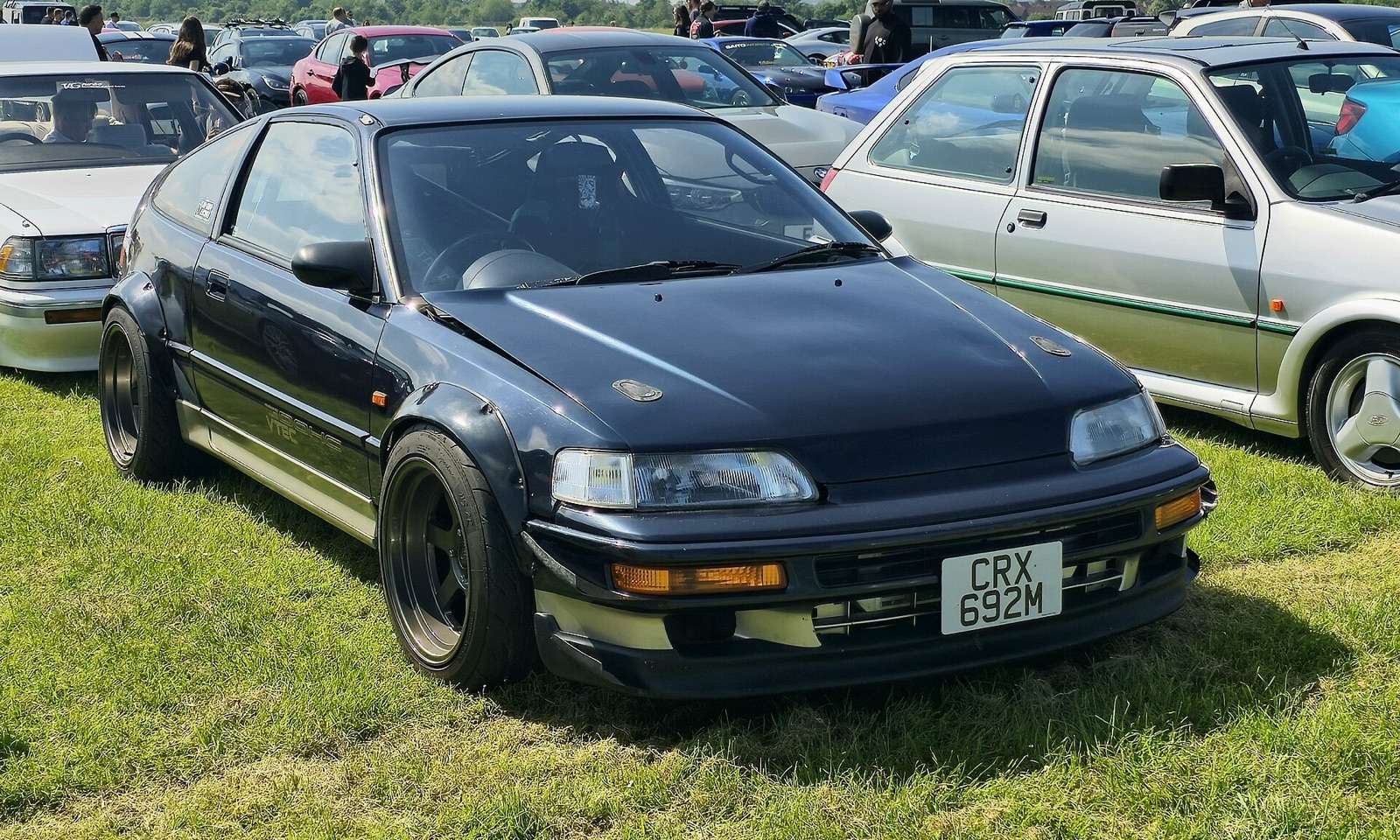
Original seats, wheels, lights, spoilers, glass and interior plastics are increasingly difficult to replace. Modified cars require careful inspection of wiring, suspension geometry, brakes and structural alterations.
Why the CR-X still matters
The CR-X shows two sides of Honda engineering: extreme efficiency through low weight and, later, high specific output through VTEC. It is smaller and more delicate than most modern hot hatchbacks, which makes a sound original example feel genuinely unusual today.
Research sources
- Honda: B16A VTEC development and specifications
- Honda Heritage: development of the VTEC engine
- Honda Heritage: CR-X market and development context
Continue the Honda story
Explore the Rare & Performance Hondas hub, then read the Civic Type R EP3 guide or the Honda Beat PP1 guide.
Related CR-X reading
For a very different interpretation, see the existing 617bhp turbocharged Honda CR-X feature.
Frequently asked questions
What years was the Honda CR-X made?
The two principal CR-X generations covered 1983 to 1991. The later CR-X del Sol was a different open-roof model and is normally treated separately.
Which Honda CR-X models have VTEC?
Japanese SiR and European 1.6i-VT versions of the second-generation CR-X used B16A-family VTEC engines. Earlier and lower-specification CR-X models did not.
How much power does a Honda CR-X SiR have?
The Japanese-market CR-X SiR used a B16A quoted at 160PS. European 1.6i-VT cars had a lower market-specific rating.
Is the Honda CR-X the same as the del Sol?
No. The 1990s CR-X del Sol was an open-roof successor with a different body and character. This guide covers the 1983–91 two-seat hatchback coupés.
What should be checked before buying a Honda CR-X?
Check extensive rust areas, chassis and engine identity, cambelt and cooling maintenance, gearbox condition, accident repairs and whether rare original trim remains.