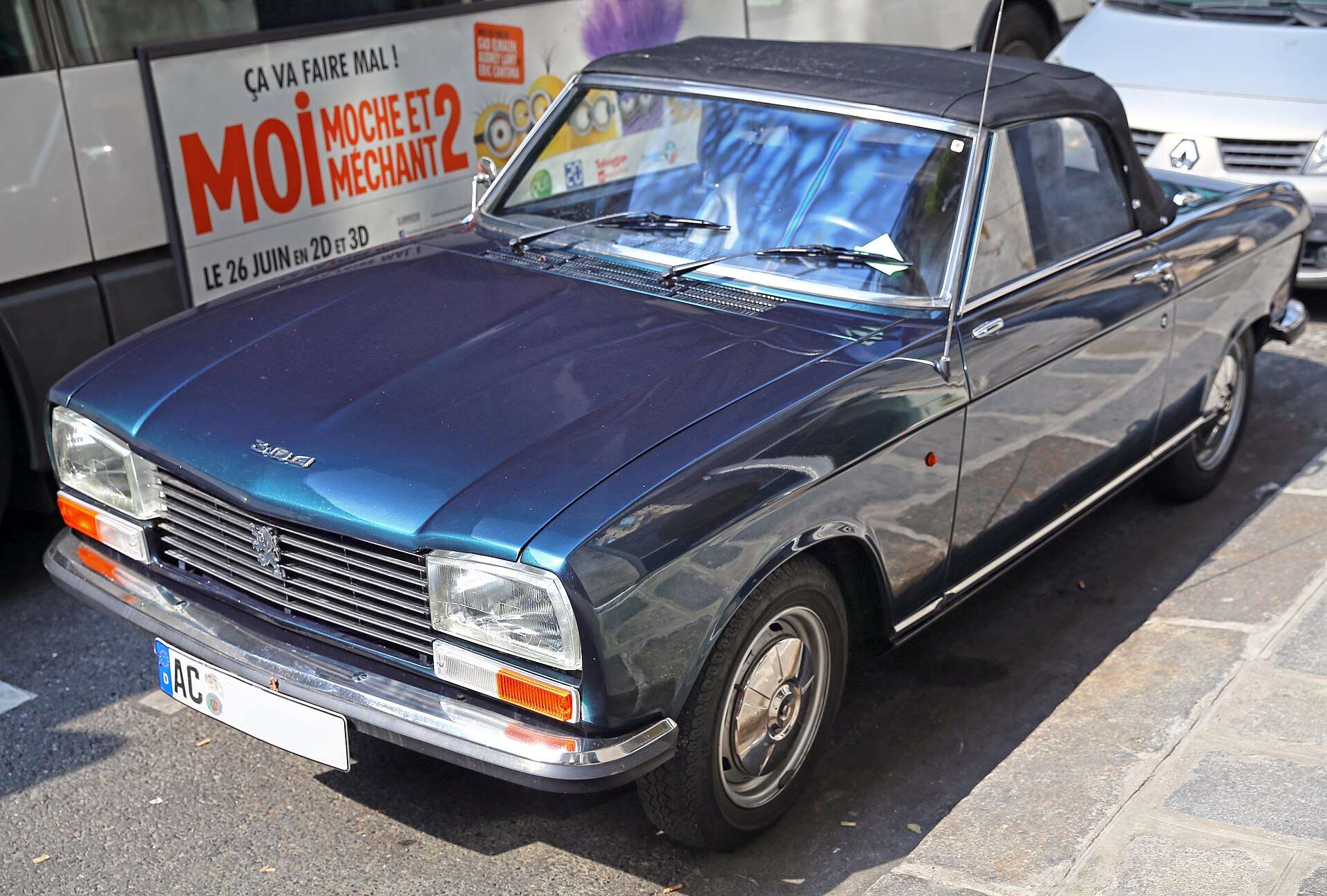
Quick answer: The Peugeot 304 Coupé and Cabriolet arrived in 1970 as more stylish derivatives of the 304 family. The later S versions added a livelier twin-choke 1,288cc engine and remain among Peugeot’s most attractive, usable small classics.
From 204 to 304
Peugeot introduced the 304 saloon in 1969, retaining the 204’s wheelbase and much of its central structure while adding a longer tail and a more formal front end. The Coupé and Cabriolet followed in 1970, replacing their 204 equivalents. Their shorter bodies were distinct from the saloon and gave Peugeot a stylish but practical pair beneath the larger 404 and 504.
The Coupé was an unusually useful sporting shape, with a rear hatch rather than a conventional boot. The Cabriolet offered four-seat open-air touring and an optional hardtop. Both favoured comfort, economy and secure front-wheel-drive handling rather than outright speed.
What changed with the S?
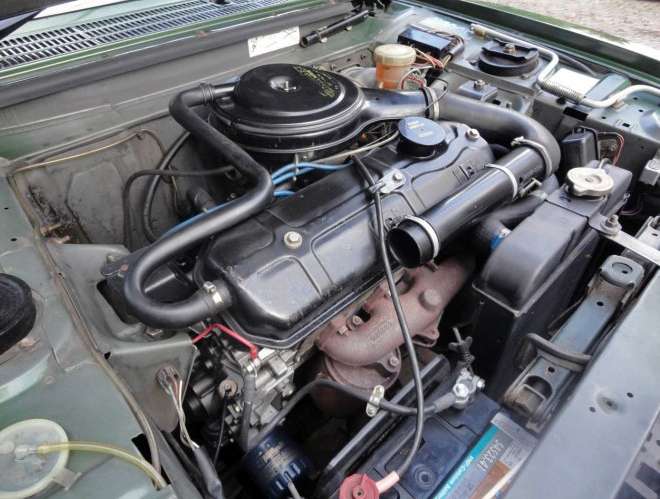
Introduced for the 1973 model year, the S specification used the 1,288cc XL3S engine with a twin-choke carburettor. Official period figures vary by market, but Peugeot heritage material records up to 80CV for the sporting version. A revised dashboard with three circular instruments, larger front head restraints, detail trim changes and an S badge distinguished it.

Production and rarity
Peugeot records 60,186 Coupés and 18,647 Cabriolets between 1970 and July 1975. The wider 304 family approached 1.2 million cars, but the special-bodied versions were always a minority and good survivors are now scarce.
Love cars you don’t see every day?
Get forgotten cars, surprising motoring stories and the most interesting finds from Unusual Cars by email.
Free to join. No spam. Unsubscribe whenever you like. See our privacy policy.
What to check on a surviving car
Inspect sills, floors, suspension pick-up points, inner wings, wheelarches, door bottoms and the boot. Cabriolets need especially careful checks around reinforced structure, screen pillars and hood drainage. Confirm that the engine, carburettor, dashboard, wheels and trim match the claimed S specification.
Cooling neglect, worn gear linkages, tired driveshafts and carburettor problems are manageable when diagnosed correctly, but missing body trim, lights, glass and Cabriolet fittings can delay a restoration. Buy completeness and structural honesty before colour or mileage.
Frequently asked questions
Is the 304 Coupé a conventional two-door saloon?
No. It has a shortened, distinct body and a useful rear hatch, making it an early example of an elegant sporting hatchback.
What does the S badge mean?
It denotes the more sporting specification introduced in the early 1970s, centred on the twin-choke XL3S engine plus revised instruments and trim.
How many were built?
Peugeot records 60,186 Coupés and 18,647 Cabriolets, with production ending in July 1975.
Continue the Peugeot story
Visit the Peugeot hub and compare the later 504 Coupé and Cabriolet.
Research note: chronology, specifications and production totals were checked against Peugeot/Stellantis heritage material.