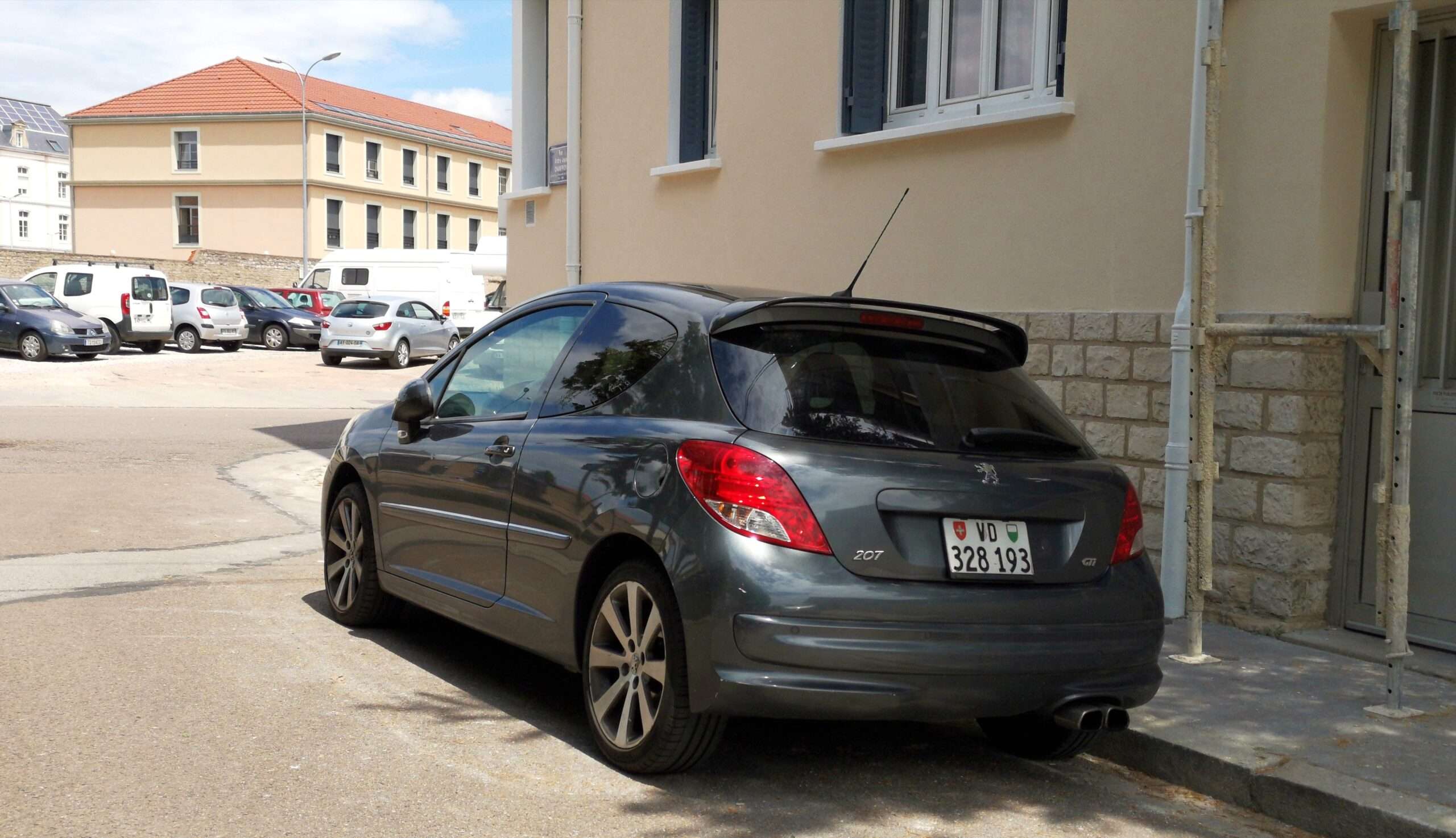
The 207 GTi was Peugeot’s more mature answer to the 205 GTI legend: a 175hp turbocharged three-door with serious mid-range pace, discreet styling and a character that rewards sympathetic ownership.
When the Peugeot 207 arrived in 2006 it was larger, safer and more substantial than the 206 it replaced. The sporting flagship followed in 2007. Called 207 GTi in Britain and 207 RC in several European markets, it used the direct-injection 1.6-litre EP6DTS turbo engine developed during PSA Peugeot Citroën’s collaboration with BMW.
.jpg)
What made the 207 GTi different?
Official figures quoted 175PS at 6,000rpm and 240Nm from only 1,600rpm, with brief overboost to 260Nm. Peugeot claimed 0–100km/h in 7.1 seconds and 220km/h. Those numbers tell only half the story: the engine’s broad torque made the car calmer and easier to use than older high-revving hot hatches.
The GTi added firmer suspension, stronger brakes, sports seats, aluminium-look pedals, a rear spoiler and model-specific trim without becoming visually theatrical. Its five-speed gearbox is a notable contrast with later six-speed rivals.
.jpg)
GTi, RC and Le Mans Series
GTi and RC identify broadly the same performance model, but equipment and badges differ by market. The limited Le Mans Series edition added numbered-car appeal, extra graphics and a more extrovert presentation rather than a fundamentally different engine. Buyers should identify a car by VIN, build specification and original paperwork rather than decals alone.
.jpg)
How it drives
The 207 is heavier and less delicately communicative than a 205, yet it feels planted, fast across country and usefully flexible. The best examples combine accurate steering with strong front-end grip. Worn dampers, tired bushes or cheap tyres can make a mediocre car feel far worse than Peugeot intended.
Engines, maintenance and common problems
The THP engine’s performance is impressive, but its service history matters. Listen for timing-chain rattle from cold, check for uneven idle, hesitation, oil leaks and evidence of excessive oil consumption. Direct injection can allow inlet-valve deposits; ignition coils, high-pressure fuel hardware, diverter components and cooling-system parts also deserve scrutiny. A healthy engine should pull cleanly without warning lights.
Inspect front suspension joints, wheel bearings, air-conditioning, window regulators and every electrical function. Check the underside, sills, rear arches and jacking points, even though corrosion is less notorious than on much older Peugeots. Modified cars need invoices, sensible mapping and evidence that brakes and cooling were not neglected.
.jpg)
Why the 207 GTi matters
It sits at an interesting point in Peugeot history: analogue enough to feel compact and mechanical, but modern enough to deliver torque, refinement and everyday safety. It deserves to be understood on its own terms—not dismissed for failing to recreate a much lighter 1980s car.
Frequently asked questions
Is the Peugeot 207 GTi the same as the 207 RC?
Broadly yes. GTi was the UK name while RC was used in several continental European markets, although trim and equipment can vary.
How much power does a standard 207 GTi have?
The factory 1.6 THP version was rated at 175PS, with 240Nm and a temporary overboost function to 260Nm.
What is the 207 Le Mans Series?
It is a limited-edition 207 performance model with numbered-car presentation and special trim; verify market specification because equipment differed.
What is the most important engine check?
A genuinely cold start is vital. Listen for chain rattle, watch for warning lights and confirm smooth, sustained boost with supporting service invoices.
Is the 207 GTi a future classic?
Good, standard examples are increasingly interesting because many were modified or poorly maintained, but condition and provenance matter more than speculation.
Love cars you don’t see every day?
Get forgotten cars, surprising motoring stories and the most interesting finds from Unusual Cars by email.
Continue the Peugeot story
Browse the Rare & Performance Peugeots hub for more model histories, performance cars and forgotten Lion-badged machinery.
Research note: Performance figures and launch details were checked against Peugeot/Stellantis archive material. Model differences should be confirmed against the VIN and original market documentation.